What Every Patient Should Know Before Choosing a Medical Spa in Southern California
The medical spa industry is booming. Across Southern California—and throughout the United States—medical spas have become one of the fastest-growing segments of healthcare. BOTOX®, fillers, laser treatments, body contouring, skin tightening, regenerative therapies, and wellness services are now available on nearly every corner. What was once offered primarily in plastic surgery and dermatology offices is now marketed through storefront med spas, social media influencers, concierge services, and even pop-up aesthetic events.
For patients, this growth has created unprecedented access to aesthetic treatments.
Unfortunately, it has also created confusion.
Many consumers assume that all medical spas operate under the same standards of safety, physician oversight, training, and accountability. The reality is far more complicated.
The naked truth is this:
Not all medical spas are created equal.
The most important question is not whether a treatment is performed in a medical spa, plastic surgery office, or dermatology practice. The most important question is whether the medical spa is properly owned, supervised, and operated with patient safety as its highest priority.
Understanding the difference may protect not only your appearance—but your health.
The Rise of Medical Spas in America
The medical spa industry has expanded dramatically during the past decade. Industry reports estimate that the number of medical spas in the United States has increased from approximately 1,600 locations in 2010 to more than 10,000 today. Consumer demand continues to rise as patients seek minimally invasive procedures with shorter recovery times and lower costs than surgery.
The appeal is obvious.
Many treatments can be performed in under an hour. Social media has normalized cosmetic procedures. Younger patients are entering the market. Patients increasingly view aesthetic treatments as routine maintenance rather than luxury services.
While this growth has increased access, regulation has not kept pace.
Different states have different rules regarding ownership, physician supervision, scope of practice, and provider qualifications. As a result, patient protections vary significantly across the country.
Why Ownership Matters
Many patients are surprised to learn that medical spa ownership can directly affect patient safety.
In California, aesthetic procedures such as BOTOX® injections, dermal fillers, laser treatments, prescription skincare management, and many regenerative therapies are considered medical services.
California’s Corporate Practice of Medicine doctrine generally requires medical decision-making to remain under physician control rather than business control. The intent is straightforward: medical decisions should be made based upon patient welfare—not investor returns or sales quotas.
This distinction matters.
When medical procedures become primarily sales-driven rather than medically driven, patients may face pressure to undergo unnecessary treatments, excessive procedures, or treatments that are not appropriate for their anatomy or goals.
The safest practices maintain a clear separation between business operations and medical judgment.
Why Physician Ownership Matters: The BioSpa Medical Spa Difference
In an era when many medical spas are owned by investors, private equity groups, management companies, or non-physician operators, BioSpa Medical Spa was founded on a fundamentally different philosophy: aesthetic medicine should remain physician-directed, patient-centered, and safety-focused.
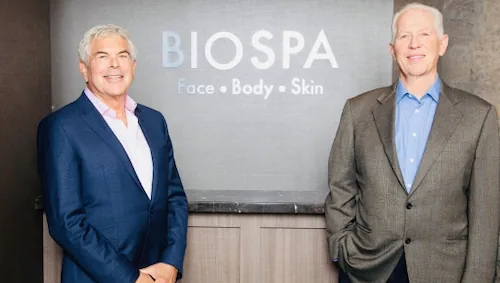
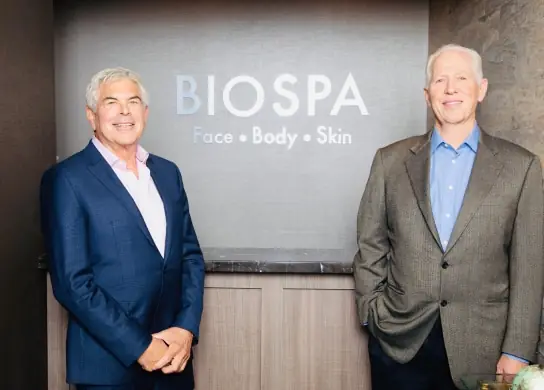
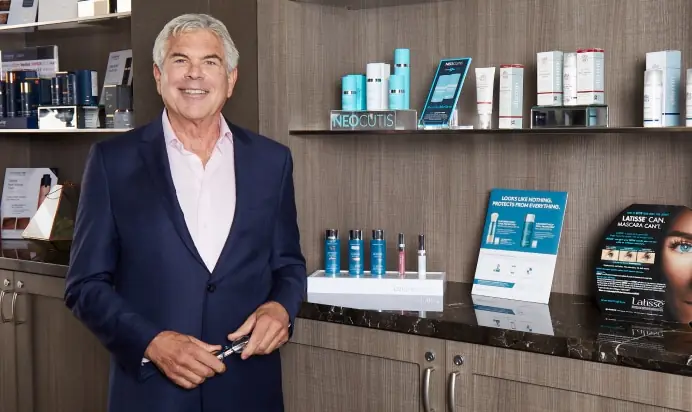
Located in Newport Beach, California, BioSpa Medical Spa is owned and medically directed by two of Orange County’s most experienced board-certified plastic surgeons: Jed Horowitz, MD, FACS and Larry Nichter, MD, FACS.
Together, Drs. Horowitz and Nichter represent more than seven decades of combined experience caring for aesthetic surgery and medical spa patients in Newport Beach and Southern California.
Unlike many medical spas where the supervising physician may rarely be present or have limited involvement in patient care, BioSpa was developed as an extension of a comprehensive plastic surgery practice. Every treatment philosophy, protocol, safety standard, and patient care pathway has been influenced by decades of surgical experience managing both aesthetic outcomes and complications.
This distinction is important.
Plastic surgeons spend years learning facial anatomy, wound healing, tissue vascularity, scar management, patient selection, and complication prevention. These principles apply not only to surgery but also to injectables, laser procedures, skin rejuvenation treatments, regenerative medicine, body contouring, and advanced aesthetic therapies.
The same expertise that helps a surgeon perform a facelift, breast augmentation, rhinoplasty, or body contouring procedure safely also provides a deeper understanding of anatomy and risk management when performing non-surgical treatments.
At BioSpa, patients benefit from physician-led treatment planning rather than sales-driven treatment recommendations. The goal is not simply to perform more procedures. The goal is to identify the most appropriate treatment for each individual patient while maintaining the highest standards of safety and natural-looking results.
A Legacy of Aesthetic Leadership in Newport Beach
For decades, Newport Beach has been recognized as one of the nation’s leading centers for aesthetic surgery and cosmetic medicine.
Few physicians have participated in that evolution longer than Drs. Horowitz and Nichter.
Dr. Jed Horowitz has been caring for patients in Newport Beach for more than three decades and has built a reputation for natural facial rejuvenation, breast surgery, body contouring, and comprehensive aesthetic care. In addition to his clinical practice, he has served as a Clinical Professor of Plastic Surgery and has remained actively involved in physician education and professional leadership throughout his career.
Dr. Larry Nichter is internationally recognized as one of the pioneers of modern aesthetic plastic surgery. As founder of the Pacific Center for Plastic Surgery, he has educated generations of plastic surgeons, authored numerous scientific publications, and lectured extensively throughout the United States and internationally. His contributions to plastic surgery education and patient safety have earned him widespread respect among both colleagues and patients.
Together, these two surgeons have evaluated and treated tens of thousands of aesthetic patients throughout Southern California.
That level of experience cannot be replicated through weekend certification courses, online training programs, or social media popularity.
When Non-Surgical Treatments Require Surgical Judgment
One of the most overlooked realities in aesthetic medicine is that non-surgical treatments still require medical judgment.
Patients frequently ask whether they should receive:
- BOTOX® or a brow lift
- Fillers or a facelift
- Skin tightening or surgery
- Body contouring or liposuction
- Biostimulators or fat transfer
- Laser treatments or resurfacing surgery
The answer is rarely determined by a menu of services.
Instead, it requires an understanding of facial aging, tissue anatomy, skin quality, volume loss, and long-term treatment planning.
As board-certified plastic surgeons, Drs. Horowitz and Nichter are uniquely positioned to help patients determine not only what can be done—but what should be done.
In many cases, the best treatment recommendation may be less invasive than what a patient initially expected. In other situations, surgery may ultimately provide a safer, more effective, and more cost-efficient outcome than repeated non-surgical procedures.
This physician-directed approach helps patients avoid overtreatment while pursuing results that appear natural, balanced, and age-appropriate.
The BioSpa Commitment to Patient Safety
At BioSpa Medical Spa, patient safety is not a marketing slogan—it is the foundation of every treatment decision.
This commitment includes:
- Physician ownership and oversight
- Evidence-based treatment protocols
- Comprehensive patient evaluations
- Experienced licensed providers
- Ongoing clinical training
- Established complication-management protocols
- Immediate physician availability when necessary
- Conservative, anatomy-based treatment planning
- A culture focused on long-term patient relationships rather than short-term sales
For patients considering aesthetic treatments in Southern California, these distinctions matter.
The naked truth is that choosing a medical spa should involve more than comparing prices, promotions, or social media followers.
Patients should seek providers with the experience, training, judgment, and accountability necessary to deliver safe and effective care.
At BioSpa Medical Spa, that philosophy begins with physician ownership, physician leadership, and more than seventy years of combined plastic surgery experience serving Newport Beach and Orange County patients.
Southern California: The Epicenter of Aesthetic Medicine
Southern California is one of the largest aesthetic markets in the world.
Orange County, Newport Beach, Beverly Hills, Los Angeles, and San Diego have become international destinations for cosmetic procedures.
The concentration of highly trained plastic surgeons and dermatologists has helped establish Southern California as a leader in aesthetic innovation.
However, the same demand has attracted operators with varying levels of training and oversight.
Patients may see similar marketing messages, similar social media content, and similar before-and-after photographs while having no way to determine whether the practice is physician-owned, physician-supervised, or primarily business-operated.
This creates a challenge for consumers trying to make informed decisions.
Who Is Actually Performing Your Procedure?
One of the most important questions patients should ask is:
“Who will be performing my treatment?”
Aesthetic medicine today may involve:
- Plastic surgeons
- Dermatologists
- Facial plastic surgeons
- Nurse practitioners
- Physician assistants
- Registered nurses
- Laser technicians
- Medical assistants
Many non-physician providers are highly skilled and experienced.
However, training standards vary dramatically across the industry.
A recent study evaluating medical spas found that most injectable treatments were performed by non-physicians, while an onsite supervising physician was present in only a minority of locations surveyed. Researchers also reported significant variation in physician involvement when complications occurred.
The issue is not whether a provider is a physician or non-physician.
The issue is whether the provider has adequate education, training, supervision, and access to immediate medical support when complications occur.
Complications Are Rare—But They Are Real
Many aesthetic procedures are extremely safe when performed appropriately.
However, every medical procedure carries risk.
Potential complications include:
- Infection
- Burns
- Scarring
- Pigment changes
- Tissue necrosis
- Nerve injury
- Vascular occlusion
- Vision loss
- Allergic reactions
- Delayed wound healing
Studies evaluating complications associated with medical spas have consistently identified burns, discoloration, and improper filler placement among the most common adverse outcomes encountered by physicians treating complications.
The growing expansion of aesthetic medicine has also raised concerns regarding providers entering the field without standardized education or certification pathways. Researchers have noted that inadequate training can contribute to serious complications including burns, scarring, infections, and vascular compromise.
When Minutes Matter
One of the biggest differences between a physician-directed medical spa and a poorly supervised operation becomes apparent when complications occur.
Most treatments go smoothly.
The question is:
What happens when they do not?
If filler blocks a blood vessel, treatment may need to begin immediately.
If a laser burn develops, rapid intervention can reduce scarring.
If an allergic reaction occurs, emergency protocols must already be in place.
A recent survey found that many medical spas lacked consistent systems for physician notification, after-hours emergency access, or complication management protocols.
In aesthetic medicine, preparation often matters more than perfection.
Social Media Versus Medical Reality
Today’s patients are heavily influenced by social media.
Unfortunately, social media rewards dramatic transformations rather than safe medicine.
A viral video cannot tell you:
- Who owns the practice
- Who supervises treatment
- What training the provider has
- Whether emergency protocols exist
- Whether complications are reported
A beautiful Instagram account does not guarantee medical excellence.
Patients should evaluate credentials, training, board certification, experience, and physician accessibility—not simply follower counts.
Red Flags Patients Should Never Ignore
Patients should proceed cautiously if they encounter:
- Deeply discounted treatments
- High-pressure sales tactics
- No physician consultation available
- No visible medical director
- No discussion of risks
- Procedures performed in non-medical environments
- Lack of emergency protocols
- Inability to answer questions regarding ownership or supervision
- Social media promotions that appear too good to be true
Healthcare should never be reduced to a commodity.
What a Safe Medical Spa Looks Like
The safest medical spas generally share several characteristics:
- Physician ownership or active physician oversight
- Comprehensive patient evaluations
- Clearly defined treatment protocols
- Qualified providers
- Emergency preparedness
- Transparent informed consent
- Ongoing staff training
- Evidence-based treatment recommendations
Patients should feel comfortable asking detailed questions.
A reputable medical spa welcomes informed patients.
The Future of Medical Spa Safety
National organizations, physician societies, and regulators increasingly recognize the need for stronger oversight and standardized safety expectations.
The American Medical Association recently highlighted concerns regarding inconsistent regulatory oversight among states and emphasized the importance of physician supervision for high-risk aesthetic procedures.
Professional organizations including the American Society for Dermatologic Surgery Association have also emphasized physician involvement and direct supervision for medical aesthetic procedures.
As the industry continues to expand, patient education will become increasingly important.
The Bottom Line
The naked truth about medical spas is not that they are unsafe.
Many provide outstanding care.
The real issue is variability.
Some medical spas operate with physician-level standards of safety, training, and accountability.
Others do not.
Patients should look beyond advertisements, social media, and promotional pricing.
Instead, ask:
- Who owns the practice?
- Who supervises treatment?
- Who performs the procedure?
- What happens if there is a complication?
- Is a physician available?
The answers to those questions often reveal far more about safety than any marketing campaign ever could.
Ready to experience physician-led aesthetic care? Schedule a consultation with the BioSpa team in Newport Beach.
Frequently Asked Questions
Are medical spas safe?
Most are safe when properly supervised and operated, but standards vary considerably.
Is BOTOX a medical procedure?
Yes. BOTOX is a prescription medication and its administration constitutes a medical procedure.
Who should perform fillers?
Fillers should be performed by properly trained medical professionals operating under appropriate physician oversight.
Can fillers cause blindness?
Rarely, yes. Inadvertent injection into blood vessels can lead to severe complications including vision loss.
Are laser treatments medical procedures?
Many laser treatments are considered medical procedures requiring physician oversight.
Should a physician be involved in my care?
Yes. Physician evaluation and supervision improve patient safety.
Does physician ownership matter?
Ownership affects who controls medical decision-making and safety protocols.
Are cheaper treatments always a bargain?
Not necessarily. Extremely discounted treatments may reflect reduced oversight or experience.
Can nurses perform aesthetic treatments?
Yes, when permitted by state law and under appropriate supervision.
What credentials should I verify?
Board certification, licensure, training, experience, and physician involvement.
What should happen during a consultation?
A complete medical history, discussion of risks, alternatives, expectations, and informed consent.
How common are complications?
Most treatments are performed safely, but complications occur in every area of medicine.
What is vascular occlusion?
Blockage of a blood vessel following filler injection that requires urgent treatment.
Should I choose a provider based on Instagram?
No. Social media should never replace credential verification.
What should I do if I have a complication?
Contact the treating practice immediately and seek urgent medical evaluation when appropriate.
Are all medical directors actively involved?
No. Patients should ask whether the physician is actively supervising care.
Is Southern California more regulated than other states?
California has relatively strict physician ownership and supervision requirements compared with many states.
What is the most important factor when choosing a med spa?
A culture of safety supported by physician leadership, qualified providers, and established complication-management protocols.
About the Author
Jed Horowitz, MD, FACS is a board-certified plastic surgeon and co-owner of BioSpa Medical Spa and Pacific Center for Plastic Surgery in Newport Beach, California. With more than three decades of experience in aesthetic plastic surgery and non-surgical rejuvenation, Dr. Horowitz is recognized throughout Southern California for his commitment to patient safety, natural-looking outcomes, and evidence-based aesthetic care. He serves as a Clinical Professor of Plastic Surgery and works alongside internationally recognized plastic surgeon Larry Nichter, MD, FACS to provide comprehensive surgical and non-surgical aesthetic treatments for patients throughout Orange County, Los Angeles, and Southern California. Together, they have more than fifty years of combined experience in aesthetic medicine and plastic surgery.
References
- Almukhtar, R.M. et al. (2024) ‘Navigating the supervision landscape in medical spas’, Aesthetic Surgery Journal Open Forum. Available at: PubMed.
- American Medical Association (2026) ’36 states lack regulatory oversight of med spas’. Available at: AMA News.
- American Society for Dermatologic Surgery Association (2025) ‘Medical Spa Safety Resources’. Available at: ASDSA.
- Gaskell, A. (2025) ‘The need for regulated training and certification for providers entering aesthetic medicine’, Journal of Clinical and Aesthetic Dermatology.
- Khunger, N. (2014) ‘Risk assessment and prevention of complications in aesthetic medicine’, Journal of Cutaneous and Aesthetic Surgery.
- Medical Board of California (2026) ‘Corporate Practice of Medicine Guidance’. Available at: Medical Board of California.
- Rossi, A.M. et al. (2019) ‘The non-physician practice of cosmetic dermatology’, Dermatology Online Journal.
- Wang, J.V., Albornoz, C.A. et al. (2020) ‘Experiences with medical spas and associated complications’, Dermatologic Surgery, 46(6), pp. 802–807.
- Allure Magazine (2025) ‘Med Spa Nation’. Available at: Allure.
- American Med Spa Association (2024) ‘Ensuring Patient Safety in Medical Spas’. Available at: AmSpa.